Your Toaster is Smarter Than You Think: The Shocking Truth About IoT
Your Toaster is Smarter Than You Think:
The Shocking Truth About IoT
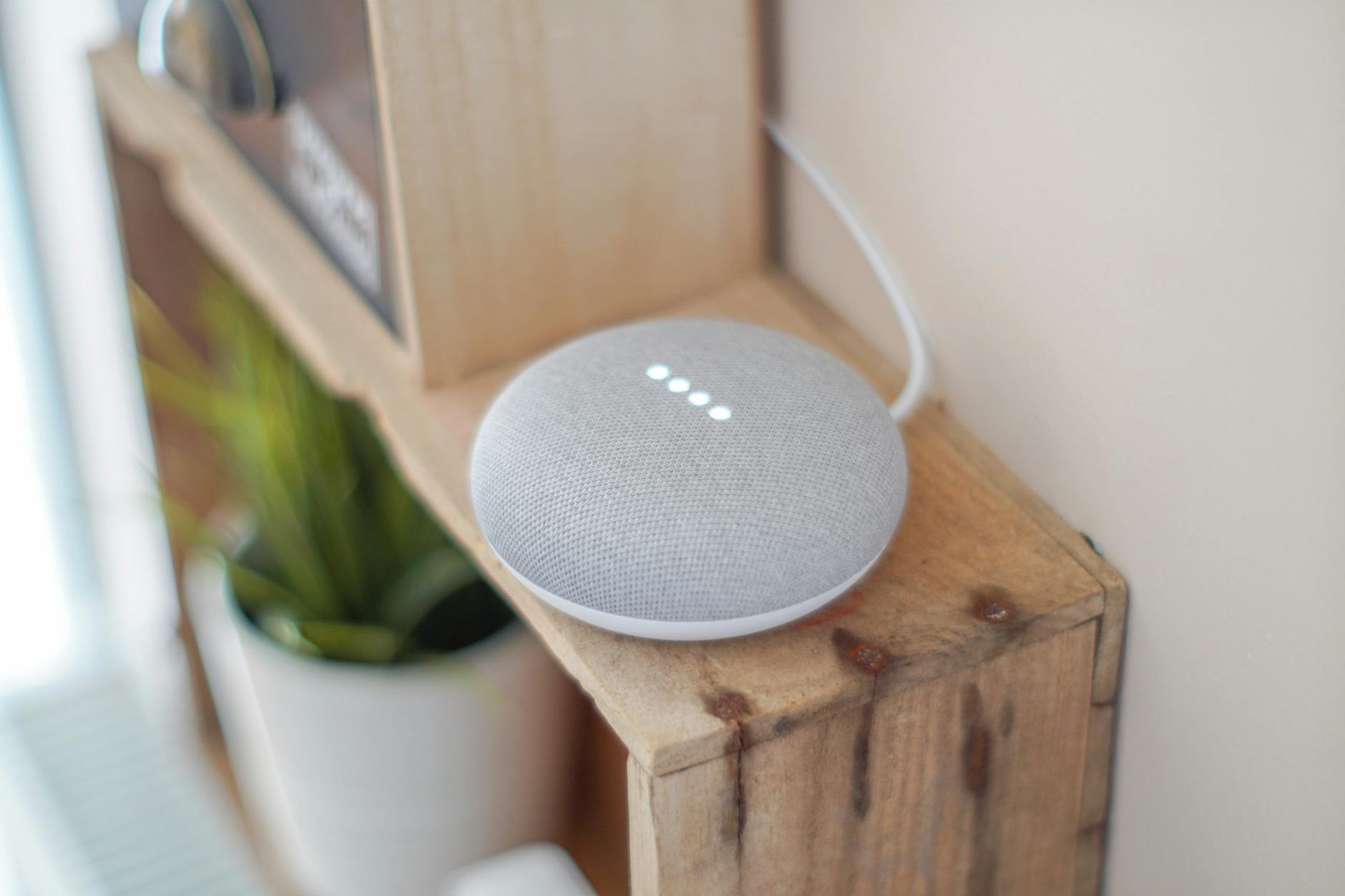
Have you ever imagined a world where your refrigerator orders groceries for you, your car finds the best route home, and your home adjusts its temperature based on your preferences - all without your direct input? Welcome to the fascinating realm of the Internet of Things (IoT)! 🌐🏠🚗
In today's hyper-connected world, IoT is revolutionizing the way we live, work, and interact with our environment. From smart homes to industrial automation, this groundbreaking technology is weaving a digital tapestry that connects billions of devices worldwide. But what exactly is IoT, and how is it reshaping our future?
In this blog post, we'll dive deep into the world of IoT, exploring its applications across various industries, the benefits it brings, and the challenges we face in its adoption. We'll also peek into the crystal ball to see what the future holds for this transformative technology. So, buckle up as we embark on an exciting journey through the Internet of Things! 🚀
Understanding the Internet of Things (IoT)

A. Definition and core concepts
The Internet of Things (IoT) refers to a network of interconnected physical devices, vehicles, home appliances, and other items embedded with electronics, software, sensors, and network connectivity, enabling these objects to collect and exchange data. At its core, IoT is about extending internet connectivity beyond standard devices like computers and smartphones to everyday objects.
Key concepts of IoT include:
-
Connectivity
-
Data collection
-
Automation
-
Intelligence
| Concept | Description |
|---|---|
| Connectivity | Devices connected to the internet and each other |
| Data collection | Sensors gather information from the environment |
| Automation | Devices perform tasks without human intervention |
| Intelligence | Systems analyze data and make decisions |
B. Evolution of IoT technology
The concept of IoT has evolved significantly since its inception:
-
1980s: Early networked devices
-
1990s: Machine-to-Machine (M2M) communication
-
1999: Term "Internet of Things" coined
-
2000s: Widespread adoption of RFID technology
-
2010s: Emergence of smart home devices and wearables
-
2020s: Integration of AI and edge computing
C. Key components of IoT systems
IoT systems typically consist of four main components:
-
Sensors/Devices: Collect data from the environment
-
Connectivity: Transmit data to the cloud
-
Data Processing: Analyze and act on the collected data
-
User Interface: Present information to users
These components work together to create a seamless IoT ecosystem, enabling smart decision-making and efficient operations across various industries. As we move forward, we'll explore the diverse applications of IoT in different sectors.
Applications of IoT in Various Industries
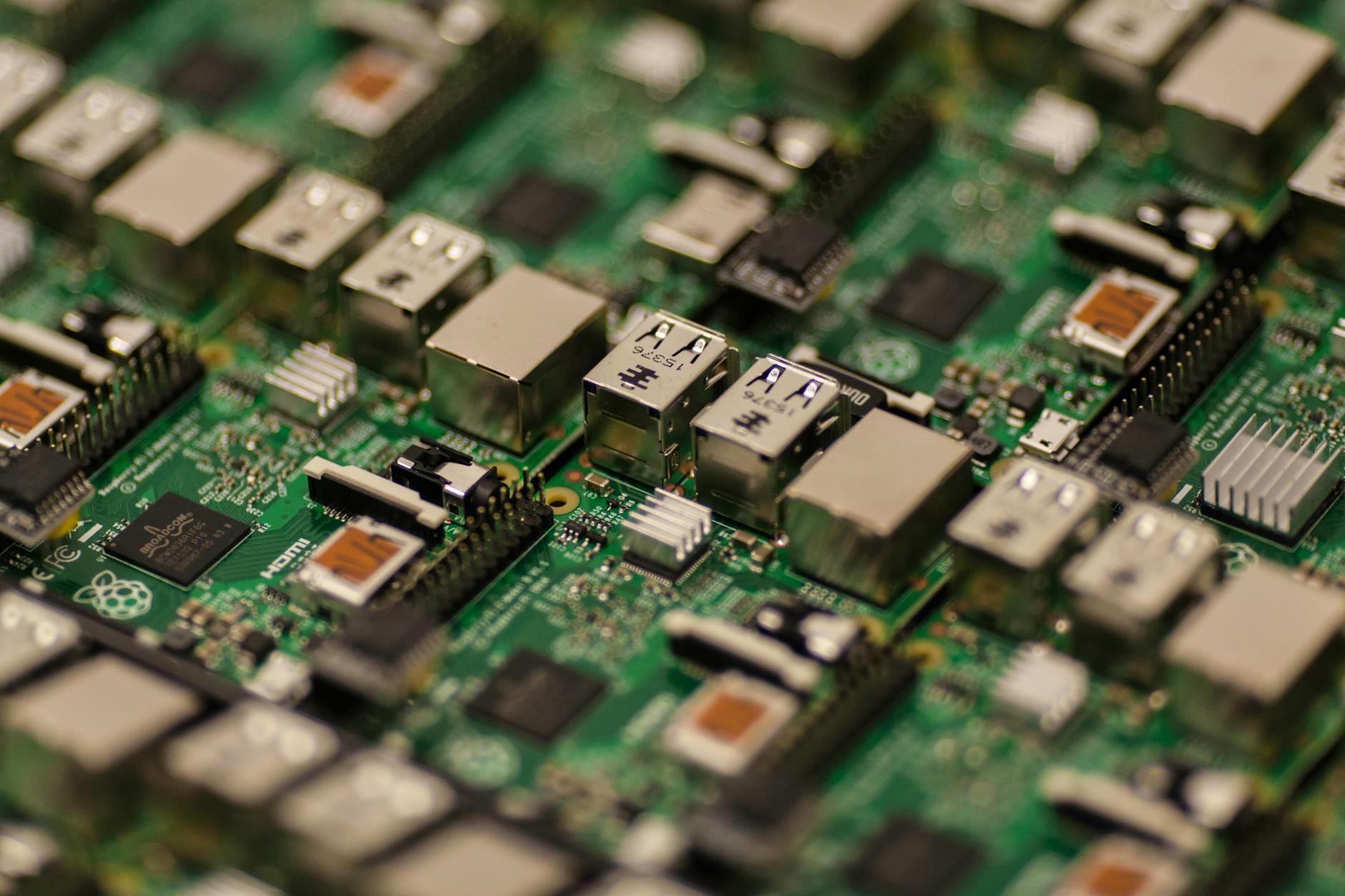
Smart homes and consumer electronics
Smart homes have become increasingly popular, with IoT devices revolutionizing everyday living. From voice-controlled assistants to automated lighting and climate control, these technologies enhance comfort and efficiency.
-
Common smart home devices:
-
Smart speakers (e.g., Amazon Echo, Google Home)
-
Smart thermostats
-
Connected security cameras
-
Smart locks
-
Automated lighting systems
-
| Device Type | Energy Savings | Convenience | Security |
|---|---|---|---|
| Smart Thermostat | High | Medium | Low |
| Smart Lights | Medium | High | Low |
| Smart Locks | Low | High | High |
| Security Cameras | Low | Medium | High |
Healthcare and wearable devices
IoT has transformed healthcare through wearable devices and remote patient monitoring. These technologies enable real-time health tracking and early detection of potential issues.
Industrial IoT and manufacturing
In manufacturing, IoT enables predictive maintenance, optimized production processes, and enhanced quality control. Smart sensors and connected machines streamline operations and reduce downtime.
Smart cities and urban infrastructure
IoT applications in urban environments improve city management and citizen services. From traffic management to waste collection, smart city technologies enhance efficiency and sustainability.
Agriculture and environmental monitoring
IoT devices in agriculture optimize resource usage and crop yields. Environmental sensors help monitor air quality, water levels, and wildlife, contributing to conservation efforts.
Now that we've explored IoT applications across various industries, let's examine the benefits of implementing these technologies in different sectors.
Benefits of IoT Implementation
.png)
Improved efficiency and productivity
IoT implementation significantly boosts operational efficiency across various sectors. By automating routine tasks and providing real-time data, IoT devices enable businesses to streamline processes and increase productivity.
-
Automation of routine tasks: IoT devices can handle repetitive tasks, freeing up human resources for more complex activities.
-
Real-time monitoring: Continuous data collection allows for immediate response to issues, minimizing downtime.
-
Predictive maintenance: IoT sensors can detect potential equipment failures before they occur, reducing costly breakdowns.
Enhanced data collection and analysis
The ability to gather and analyze vast amounts of data is a key benefit of IoT implementation. This data-driven approach leads to better decision-making and improved outcomes.
| Data Type | Benefits |
|---|---|
| Real-time | Enables immediate action |
| Historical | Facilitates trend analysis |
| Contextual | Provides deeper insights |
Cost reduction and resource optimization
IoT technologies help organizations optimize resource allocation and reduce operational costs through:
-
Smart energy management
-
Inventory optimization
-
Reduced maintenance costs
-
Improved asset utilization
Personalized user experiences
IoT enables businesses to tailor products and services to individual preferences, enhancing customer satisfaction and loyalty. This personalization is achieved through:
-
Behavioral data collection
-
Predictive analytics
-
Adaptive user interfaces
-
Context-aware recommendations
With these benefits in mind, it's clear that IoT implementation can drive significant improvements across various aspects of business operations. However, as we explore in the next section, there are also challenges and concerns that organizations must address when adopting IoT technologies.
Challenges and Concerns in IoT Adoption

Security and privacy issues
As IoT devices collect and transmit vast amounts of data, security and privacy concerns have become paramount. Some key challenges include:
-
Vulnerable endpoints
-
Data breaches
-
Unauthorized access
-
Privacy violations
| Challenge | Description | Potential Solution |
|---|---|---|
| Vulnerable endpoints | IoT devices often lack robust security features | Implement strong encryption and authentication protocols |
| Data breaches | Sensitive information can be exposed during transmission | Use secure communication channels and data encryption |
| Unauthorized access | Weak authentication can lead to device hijacking | Employ multi-factor authentication and regular security updates |
| Privacy violations | Excessive data collection may infringe on user privacy | Implement data minimization and user consent mechanisms |
Interoperability and standardization
The lack of universal standards in IoT technology poses significant challenges:
-
Incompatible protocols
-
Fragmented ecosystems
-
Limited device integration
-
Increased development costs
To address these issues, industry stakeholders must collaborate to establish common standards and protocols that ensure seamless communication between diverse IoT devices and platforms.
Scalability and network infrastructure
As the number of connected devices grows exponentially, scalability becomes a critical concern:
-
Bandwidth limitations
-
Network congestion
-
Latency issues
-
Infrastructure upgrades
To support the massive influx of IoT devices, significant investments in network infrastructure and the adoption of advanced technologies like 5G will be necessary.
Data management and storage
The sheer volume of data generated by IoT devices presents unique challenges:
-
Data processing capabilities
-
Storage capacity
-
Data analysis and insights
-
Compliance with data regulations
Organizations must develop robust data management strategies and leverage cloud computing and edge computing technologies to effectively handle the influx of IoT-generated data.
Future Trends in IoT Technology
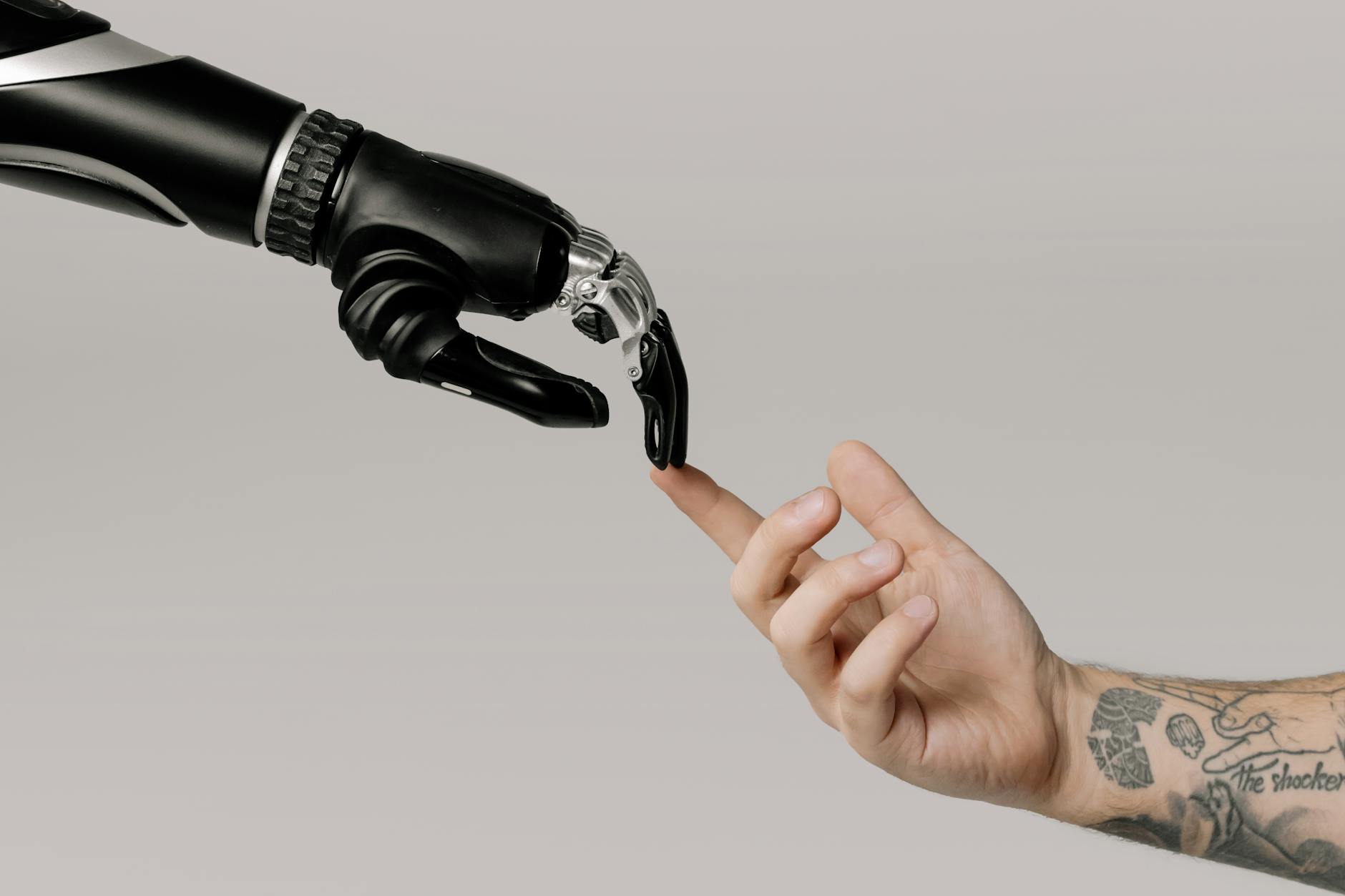
Edge computing and fog networks
As IoT devices proliferate, the need for faster data processing becomes crucial. Edge computing and fog networks are emerging as key solutions to address this challenge.
Edge Computing vs. Fog Networks
| Feature | Edge Computing | Fog Networks |
|---|---|---|
| Location | Directly on or near IoT devices | Between edge and cloud |
| Latency | Lowest | Low to moderate |
| Scalability | Limited | Highly scalable |
| Data processing | Real-time, immediate | Near real-time |
Edge computing brings data processing closer to the source, reducing latency and bandwidth usage. This is particularly beneficial for applications requiring instant decision-making, such as autonomous vehicles or industrial automation.
Fog networks, on the other hand, act as an intermediary layer between edge devices and the cloud, providing:
-
Enhanced security
-
Improved data filtering
-
Efficient resource allocation
AI and machine learning integration
The integration of AI and machine learning with IoT is set to revolutionize data analysis and decision-making processes. Key advancements include:
-
Predictive maintenance in industrial settings
-
Smart home automation with learning capabilities
-
Enhanced personalization in consumer products
As AI algorithms become more sophisticated, IoT devices will evolve from simple data collectors to intelligent decision-makers, capable of adapting to user preferences and environmental changes autonomously.
5G and advanced connectivity
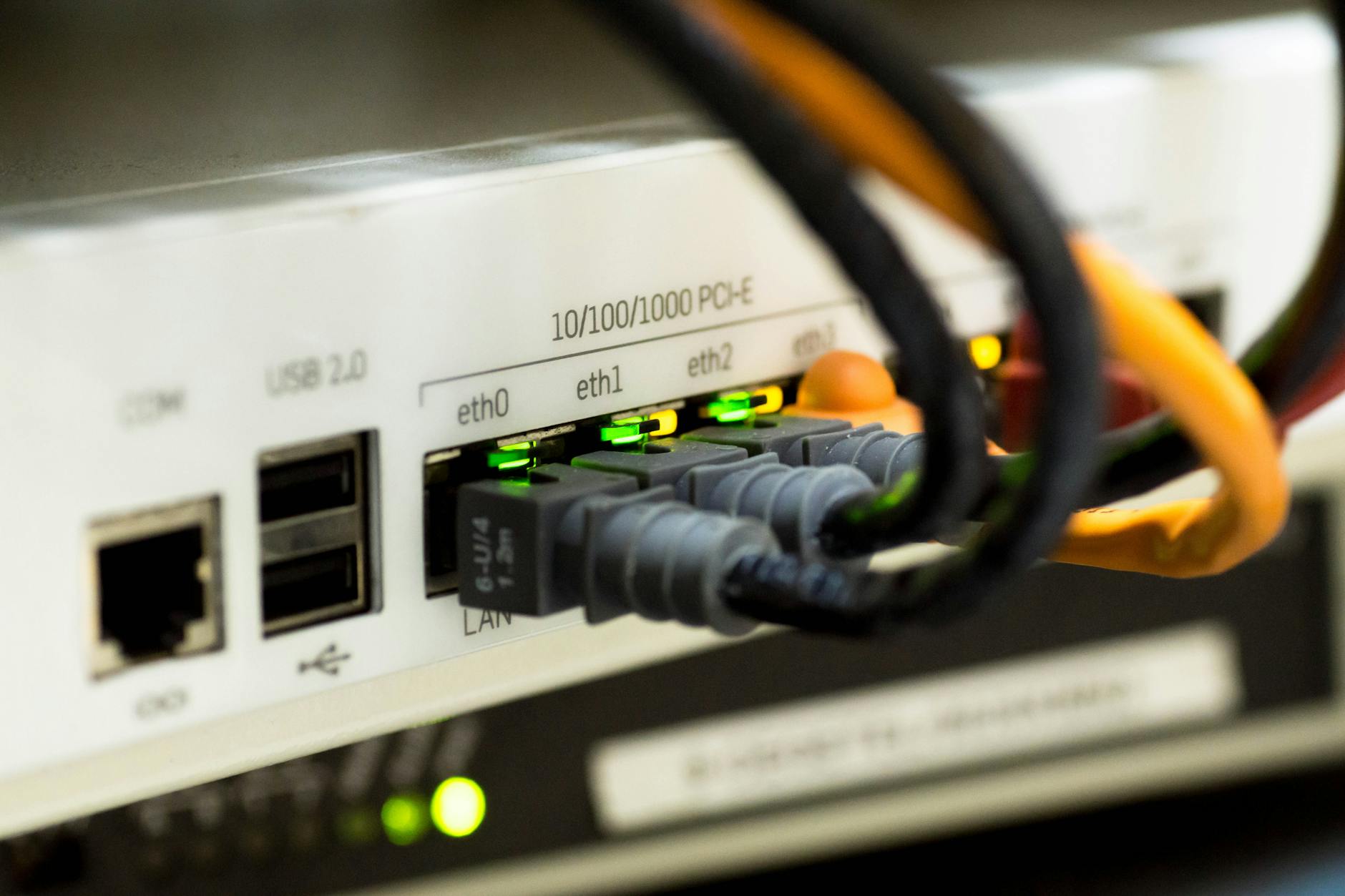
The Internet of Things (IoT) has revolutionized the way we interact with technology, connecting devices and systems in ways never before imagined. From smart homes to industrial automation, IoT applications are transforming various industries, offering unprecedented benefits in efficiency, productivity, and decision-making. However, as with any emerging technology, IoT adoption comes with its own set of challenges, including security concerns and data privacy issues.
As we look to the future, IoT technology continues to evolve, promising even greater connectivity and innovation. By staying informed about the latest trends and addressing potential obstacles, businesses and individuals can harness the full potential of IoT to create a more connected and efficient world. Embracing this transformative technology will be crucial for those seeking to remain competitive and relevant in an increasingly digital landscape.
Comments
Post a Comment